Lifestyle
We try eating nothing but emergency food rations for three progressively tougher days
The article discusses the author's experience of simulating a disaster preparedness scenario by cons
MMichael Grant
2025-10-31
6.7K views
472 likes
Surviving the Unexpected: A Firsthand Account of Disaster Preparedness
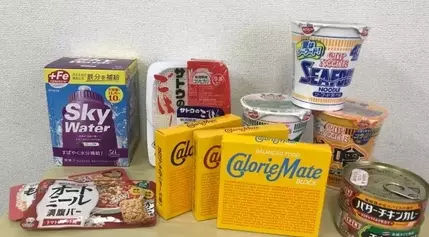
In a world where natural and man-made disasters are a constant threat, it's crucial to be prepared. Our Japanese-language reporter, Mariko Ohanabatake, decided to put her disaster preparedness skills to the test by simulating a three-day survival scenario using only the recommended emergency rations. Her firsthand experience offers valuable insights and practical advice for anyone looking to build a comprehensive disaster food prep pack.Preparing for the Unthinkable: A Comprehensive Approach to Disaster Readiness
Mastering the Essentials: Navigating the Challenges of Emergency Rations
Mariko's experiment revealed the importance of having a well-stocked disaster preparedness kit. She discovered that the quality and options for her meals were heavily influenced by whether she had access to a portable gas stove for heating water. This highlighted the need to invest in such a device and a few gas canisters, as they can make a significant difference in the palatability and nutritional value of emergency rations.Additionally, Mariko was surprised to learn that the expiration dates of various food items varied greatly, with some lasting only four to six months, while others could be stored for up to five years. This knowledge prompted her to set regular reminders to rotate and replace her emergency food supplies, ensuring they remain fresh and ready for use when needed.Striking the Right Balance: Optimizing Nutrition and Hydration in Disaster Scenarios
Mariko's experience also shed light on the delicate balance between nutrition and hydration when relying on emergency rations. While items like instant noodles and canned curries provided sustenance, they also left her feeling increasingly thirsty, highlighting the importance of stocking up on sufficient water and other hydrating beverages.The reporter's preference for the rehydrated rice onigiri over the crackers and bars underscored the value of having a variety of options in one's disaster food prep pack. By sampling different items and simulating their preparation, Mariko was able to identify the most palatable and satisfying choices, which would be crucial in a real emergency situation when appetite and morale can play a significant role in survival.Adapting to Changing Conditions: Strategies for Maximizing Disaster Preparedness
Mariko's three-day experiment also revealed the need to be adaptable and prepared for a range of scenarios. While her initial plan involved using a portable gas stove, the simulation of an evacuation shelter setting without access to heating sources forced her to rely solely on shelf-stable, ready-to-eat items.This experience reinforced the importance of having a diverse selection of emergency rations, including both cooked and dehydrated options, as well as items that can be consumed without any preparation. By anticipating and planning for various contingencies, individuals can ensure they are equipped to handle the unexpected and maintain their well-being during a crisis.Lessons Learned: Insights for Building a Comprehensive Disaster Food Prep Pack
Mariko's firsthand account provides valuable insights for anyone looking to build or refine their disaster food prep pack. Her key takeaways include the importance of:1. Investing in a portable gas stove and fuel canisters to enhance the palatability and nutritional value of emergency rations.2. Regularly checking and rotating emergency food supplies to ensure they remain fresh and within their expiration dates.3. Maintaining a balanced selection of both cooked and dehydrated options, as well as ready-to-eat items, to cater to various scenarios and personal preferences.4. Prioritizing hydration by stocking up on a sufficient supply of water and other beverages that can be consumed at room temperature.By incorporating these lessons into their disaster preparedness plans, individuals can feel more confident in their ability to weather the storm and emerge from a crisis with their health and well-being intact.